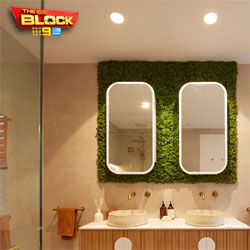
how to choose grout colour

How to Choose Grout Colour

Choosing the right grout colour might seem like a small detail in your renovation project, but it can make a huge difference in the final look of your bathroom, kitchen, or even balcony tiles. Whether you are working on a commercial space or giving your home a fresh update, the grout colour can enhance or detract from your tiling efforts. So, how do you pick the perfect shade? Let us break it down for you.

Grout is not just filler—it plays a key role in both aesthetics and functionality. The right colour can make your tiles pop, create a seamless look, or even help hide dirt. On the other hand, poor grout choices can make your floor or wall tiles look mismatched or highlight every speck of grime. Plus, in high-moisture areas like the bathroom or kitchen splashback, the right grout can resist mold and stay looking clean longer.

  1. Introduction
  2. Why Grout Colour Matters
  3. Factors to Consider When Choosing Grout Colour
  4. Popular Grout Colour Choices
  5. Grout Colour Trends
  6. DIY vs Professional Tiler Advice
  7. Conclusion

Factors to Consider When Choosing Grout Colour

Before you commit to a grout colour, think about these key factors to ensure it complements your space perfectly.

Tile Colour and Style

Your grout should enhance your tiles, not fight with them. If you have bold, patterned tiles, a subtle grout might work best. For neutral tiles, a contrasting grout can add definition. Think about whether you want the tiles to stand out or the grout lines to blend in.

Room Type and Usage

High-traffic areas like kitchen floors or commercial spaces may benefit from darker grout that hides stains. In a bathroom, you might prioritise waterproof and mould-resistant options. For a balcony, durability against weather is key.

Maintenance and Cleaning

Lighter grout shows dirt easily but can look crisp when clean. Darker grout is more forgiving but may fade over time. If you prefer a low-maintenance option, consider mid-tone shades that balance both worlds.

Here are some common approaches to selecting grout colours in Melbourne homes.

Matching Grout

tiles matching grout

Using a grout that closely matches your tile colour creates a seamless, expansive look. This works well for small spaces or when you want the tiles to be the main focus.

Contrasting Grout

tiles contrasting grout

Bold grout colours can make each tile stand out, adding a geometric or modern touch. Think white grout with black subway tiles or charcoal grout with white kitchen splashback tiles.

Neutral Grout

tiles neutral grout

Grey, beige, or off-white grout offers a balanced look—neither too bold nor too bland. It is a safe choice that works in most settings.

Many homeowners and tiler professionals are leaning towards natural, earthy tones for grout trends, especially in renovation projects. Dark grout with light tiles is popular for a modern, high-contrast effect, while muted shades remain a classic for bathroom and kitchen spaces.

DIY vs Professional Tiler Advice

If you are tackling a DIY project, sample testing is crucial—apply small patches of grout to see how it dries. However, consulting a professional tiler can save time and ensure the right product is used, especially for waterproof or high-traffic areas.

Conclusion

Choosing the right grout colour is about balancing aesthetics, practicality, and maintenance. Whether you are refreshing a kitchen splashback, retiling a balcony, or renovating an entire commercial space, the right grout can elevate your tiles and keep them looking great for years. Take your time, consider your options, and do not be afraid to ask a tiler for advice your future clean, stylish floors and walls will thank you!

around swimming pool deck ideas

Around Swimming Pool Deck Ideas

When it comes to designing the perfect poolside area in your Melbourne backyard, the options are endless. Whether you have a small plunge pool or a big lap pool, the right landscaping can transform your space into a modern oasis. From lush grass to sleek tiling, each choice has its own benefits. Let us explore four popular options for around the pool: grass, decking, concrete, and tiling.

Grass Around the Pool

Grass Around the Pool

Nothing beats the natural look of grass around the pool. It creates a soft, inviting feel and blends seamlessly with your backyard. Perfect for families who want a kid-friendly surface, grass is a classic choice for poolside landscaping.

Grass is soft underfoot, making it ideal for children and barefoot strolls. It keeps the area cool on hot Melbourne days and adds a touch of greenery to your pool deck. Plus, it is cost-effective compared to other materials.

Keep in mind that chlorine and pool chemicals may damage the grass over time. If you are after a low-maintenance option, this might not be the best fit.

Decking Around the Pool

Decking Around the Pool

For a stylish and durable pool deck, decking is a fantastic choice. Whether you prefer the warmth of timber or the resilience of composite, decking adds a luxurious touch to any poolside.

Timber decking offers a natural, rustic charm. Hardwoods like spotted gum or merbau are popular in Melbourne due to their durability. However, timber requires regular sealing to prevent warping and splintering.

If you want the look of timber without the upkeep, composite decking is the way to go. Made from a blend of wood fibres and plastic, it resists fading, staining, and moisture—perfect for around the pool.

Concrete Pool Deck

Concrete Pool Deck

Concrete is a versatile and modern option for your pool deck. With endless finishes and colours, you can create a sleek, contemporary look that complements your backyard.

Stamped concrete can mimic natural stone or pavers, while polished concrete offers a smooth, high-end finish. Exposed aggregate is another great choice, providing a non-slip surface—ideal for safety around the pool.

Tiling Around the Pool

Tiling Around the Pool

For a truly customised poolside, tiling is unbeatable. From ceramic to natural stone, tiles offer endless decorating possibilities.

A skilled pool tiler is essential for a flawless finish. Look for professionals experienced in poolside installations to ensure your tiles withstand water exposure and heavy foot traffic.

Natural stone tiles, like travertine or slate, bring elegance and texture to your poolside. Ceramic tiles, on the other hand, are budget-friendly and come in a wide range of designs. Both options are slip-resistant, making them safe for wet areas.

Choosing the right material for around your pool depends on your style, budget, and maintenance preferences. Grass offers a natural look, decking adds warmth, concrete provides versatility, and tiling delivers a high-end finish. Whatever you pick, make sure it enhances your Melbourne backyard and creates the perfect poolside retreat.

kitchen splashback ideas

10 Creative Kitchen Splashback Ideas

When it comes to renovating your kitchen, the splashback is one of the most important elements to consider. Not only does it protect your walls from spills and splatters, but it also plays a huge role in defining the overall look and feel of your kitchen. Whether you’re updating your plumbing and electrical fixtures or just giving your kitchen a fresh new look, the right splashback can make all the difference. In Melbourne, where style meets functionality, choosing the perfect splashback is key to creating a kitchen that stands out.

10 creative splashback ideas that will inspire your next kitchen renovation

1. Classic Subway Tiles

kitchen splashback ideas subway tiles

Subway tiles are a timeless choice for any kitchen splashback. Their rectangular shape and clean lines make them a versatile option that works well with both modern and traditional kitchens. You can opt for the classic white subway tiles for a crisp, clean look, or experiment with different colours to add a pop of personality. In Melbourne, where many homes blend old-world charm with contemporary design, subway tiles are a popular choice for their ability to complement the rest of the house seamlessly.

2. Sleek Glass Splashbacks

kitchen splashback ideas glass

If you’re after a modern, minimalist look, glass splashbacks are the way to go. They’re easy to clean, durable, and can be customised in almost any colour you can imagine. Glass splashbacks are particularly great for smaller kitchens, as they reflect light and make the space feel larger. Plus, they are a breeze to install, which is a bonus if you’re working with a tight renovation schedule in Melbourne.

3. Natural Stone Finishes

kitchen splashback ideas stone

For a touch of luxury, consider natural stone finishes like marble or granite. These materials bring a sense of elegance and sophistication to your kitchen, making them perfect for high-end renovations. Stone splashbacks are not only beautiful but also incredibly durable, standing up to the wear and tear of daily cooking. Many homeowners value both style and practicality, stone finishes are a popular choice for creating a kitchen that feels both luxurious and functional.

4. Mosaic Magic

kitchen splashback ideas mosaic

Mosaics are a fantastic way to add texture and visual interest to your kitchen splashback. Whether you choose glass, ceramic, or stone mosaics, the small tiles can be arranged in endless patterns and colours. This allows you to create a truly unique splashback that reflects your personal style. Mosaics are particularly well-suited to Melbourne homes, where individuality and creativity are often celebrated in interior design.

5. Herringbone Pattern

kitchen splashback ideas herringbone

The herringbone pattern is a classic tiling technique that adds a touch of sophistication to any kitchen. Whether you use subway tiles or smaller rectangular tiles, the zigzag pattern creates a dynamic visual effect that draws the eye. This pattern works particularly well in kitchens with a neutral colour palette, as it adds interest without overwhelming the space. If kitchens feature open-plan layouts, a herringbone splashback can serve as a stunning focal point.

6. Vertical Tiling

kitchen splashback ideas vertical

Why not break away from the traditional horizontal tiling and try vertical tiling instead? This unexpected twist can make your kitchen splashback stand out, especially if you choose tiles with a unique texture or colour. Vertical tiling is a great way to add height to your kitchen, making the space feel larger and more open. If the space a premium, this technique can be a game-changer for smaller kitchens.

7. Bold Colours for a Statement

kitchen splashback ideas colours

If you’re looking to make a bold statement, consider using brightly coloured tiles for your splashback. Whether you go for a deep blue, vibrant red, or sunny yellow, a bold splashback can inject energy and personality into your kitchen. This is a great option for those who want to add a pop of colour without committing to a full kitchen overhaul. The bold design choices, a colourful splashback can be the perfect way to express your individuality.

8. Mixed Materials

kitchen splashback ideas mixed

Why stick to just one material when you can mix and match? Combining different materials, such as glass and stone or ceramic and metal, can create a truly unique splashback that stands out. This approach allows you to play with textures and finishes, adding depth and interest to your kitchen. With the eclectic design a mixed-material splashback can be a great way to showcase your creativity.

9. Fish Scale Tiles

kitchen splashback ideas fish scale tiles

Fish scale tiles are a fun and quirky option for those who want to add a touch of whimsy to their kitchen. These tiles, which are shaped like fish scales, create a beautiful, flowing pattern that adds movement and texture to your splashback. They’re particularly well-suited to kitchens with a coastal or bohemian vibe. In Melbourne, where many homes draw inspiration from the nearby ocean, fish scale tiles can be a great way to bring a bit of the beach into your kitchen.

10. Hexagonal Tiles

kitchen splashback ideas hexagonal tiles

Hexagonal tiles are another trendy option that can add a modern, geometric feel to your kitchen. Whether you choose small, mosaic-style hexagons or larger tiles, this shape creates a striking visual effect that’s both contemporary and timeless. Hexagonal tiles work particularly well in kitchens with a minimalist design, as they add interest without overwhelming the space. The hexagonal tiles are a popular choice for creating a sleek, stylish splashback.

Choosing the Right Splashback

Your kitchen splashback is more than just a practical feature—it’s an opportunity to express your personal style and enhance the overall look of your kitchen. Whether you opt for classic subway tiles, sleek glass, or bold mosaics, there’s a splashback option to suit every taste and budget. In Melbourne, where design trends are constantly evolving, choosing the right splashback can help you create a kitchen that’s both functional and beautiful. So, when you’re planning your next kitchen renovation, don’t overlook this important element—it could be the key to transforming your space.

curved walls in tiling

Curved Walls in Tiling

When it comes to bathroom design, every detail matters. From the fixtures to the flooring, each element plays a crucial role in creating a space that is both functional and visually appealing. One aspect of bathroom design that has gained traction in recent years is the use of curved walls in tiling. This innovative approach adds depth and dimension to the space, elevating the overall aesthetic and creating a sense of luxury.

The Challenge

Installing tiles on curved walls can be challenging for even the most experienced bathroom tiler. The rigidity of standard tiles makes it difficult to achieve a seamless look on curved surfaces, leading to unsightly gaps and uneven lines. As a result, many homeowners shy away from incorporating curved walls into their bathroom renovations, fearing that it will be too difficult or costly to achieve the desired look.

curved walls in tiling

Elevating Bathroom Design

Fortunately, advancements in tile manufacturing and installation techniques have made curved walls in tiling more accessible than ever before. One of the key innovations driving this trend is the development of flexible tiling materials specifically designed for curved surfaces. These tiles are engineered to bend and conform to the contours of the wall, allowing for a smooth and seamless finish.

Additionally, experienced bathroom tilers have honed their craft to master the art of installing tiles on curved walls. By using specialized tools and techniques, such as wet saws and tile spacers, these professionals can achieve precise cuts and perfect alignment, ensuring a flawless end result.

curved walls in tiling

Another solution to the challenge of tiling curved walls is the use of mosaic tiles. These small, individual pieces can be easily manipulated to follow the curve of the wall, creating intricate patterns and designs that add visual interest to the space. Whether used as a border or a focal point, mosaic tiles offer endless possibilities for customization.

Finally, for those who prefer a more organic look, natural stone tiles can be an excellent choice for curved walls. With their unique textures and variations, these tiles add warmth and character to the space, while still maintaining a sleek and modern aesthetic.

Conclusion

Curved walls in tiling offer a fresh and innovative approach to bathroom design, allowing homeowners to create a space that is both functional and visually stunning. By embracing flexible materials, advanced techniques, and creative solutions, it is now easier than ever to incorporate curved walls into your bathroom renovation. Whether you prefer the clean lines of porcelain tiles or the rustic charm of natural stone, there are endless possibilities for achieving the perfect look for your space. So why settle for a standard bathroom design when you can elevate your space with curved walls in tiling?

japanese finger mosaic tiling

Japanese Tiles in Bathroom

Transforming your bathroom into a masterpiece of aesthetics and functionality is an art, and the choice of tiling plays a pivotal role. Among the myriad options available, Japanese tiles, particularly finger tiles, stand out for their unique design and versatility. These slender, finger-like tiles, also known as finger tiles, have gained immense popularity for adding a touch of elegance and sophistication to bathroom spaces.

Unveiling the Charm of Japanese Tiling in Bathrooms

Japanese tiling, known for its precision, beauty, and quality, brings a serene and harmonious atmosphere to any bathroom. The introduction of finger tiles into the realm of bathroom tiling has been a game-changer. Their sleek, rectangular shape, reminiscent of the famous chocolate bar, offers a modern and chic look that is both eye-catching and functional. These tiles are not just about aesthetics; they are crafted to withstand the humid and wet conditions of bathrooms, ensuring durability alongside beauty.

The Aesthetic Versatility of Finger Tiles

Finger tiles come in a variety of colors, textures, and finishes, allowing homeowners and interior designers to unleash their creativity. Whether you are aiming for a minimalist design or a vibrant, eclectic look, these tiles can cater to all tastes and styles. The elongated shape of finger tiles can also create the illusion of height or width in a space, making them ideal for both small and large bathrooms.

Integrating Japanese Tiling in Bathroom Designs

Incorporating Japanese tiling in bathroom designs requires a thoughtful approach to maximize the aesthetic appeal and functionality. Finger tiles can be used for an entire wall, as a feature strip, or to highlight specific areas such as the shower or backsplash. When paired with complementary tiles and bathroom fixtures, they create a cohesive and inviting space. The reflective quality of glazed finger tiles can also enhance the natural lighting of the bathroom, making the space feel brighter and more spacious.

Choosing the Tiler for Your Project

Finding the tiler is crucial to achieving the perfect finish. A skilled tiler with experience in laying Japanese tiles can ensure that the alignment and spacing are executed flawlessly. It’s important to choose a professional who understands the intricacies of working with finger tiles and can provide guidance on the best practices for installation and maintenance.

Maintenance Tips for finger Tiles

Maintaining the beauty of finger tiles is straightforward. Regular cleaning with mild soap and water is sufficient to keep them looking pristine. However, it’s important to avoid harsh chemicals and abrasive tools that can damage the tile’s surface. With proper care, these tiles can retain their luster and elegance for years to come, making them a wise investment for any bathroom renovation project.

The allure of tiles

The allure of Japanese finger tiles lies in their ability to blend form and function seamlessly. As a versatile and stylish choice for bathroom tiling, they offer a unique aesthetic that can elevate the overall design of your space. Whether you’re renovating your bathroom or building a new one, consider the chic and timeless appeal of finger tiles. With the professional bathroom tiler, these tiles can transform your bathroom into a haven of beauty and relaxation.

Merry Christmas and Happy New Year

Merry Christmas and Happy New Year

Dear Valued Potential Clients,

As we bid farewell to a remarkable year and welcome the joys of Christmas and the New Year, we at Lexa Tiling are excited to share with you the milestones that have made this year truly special for us.

Our journey in 2023 was marked by exhilarating achievements, the first of which was our participation in the renowned “The Block” show. This was a golden opportunity for us to showcase our expertise and creativity in bathroom renovations, and the experience has been nothing short of exhilarating. The recognition and exposure from this esteemed platform have been instrumental in elevating our brand and services to new heights.

But that’s not all. This year, we have ardently focused on enhancing the quality of our tiling services. We believe in constant improvement and have invested in advanced techniques and training to ensure that our work is not just good, but exceptional. Our commitment to excellence has been our guiding star, and we are proud to say that it has led to tangible improvements in the services we offer.

Our heart swells with pride as we reflect on the glowing reviews and feedback from our clients. Your satisfaction is the best measure of our success, and hearing about your positive experiences, especially following kitchen and bathroom renovations, has been incredibly rewarding. These testimonials are not just reviews for us; they are the stories of spaces transformed and dreams realized, all through the art of tiling.

Looking ahead, we are buoyed by a positive outlook and an unwavering commitment to further enhance our tiling craftsmanship. We believe that the future is bright and filled with opportunities to bring more innovative, high-quality tiling solutions to your homes and businesses.

As we step into the New Year, we extend our heartfelt thanks to you for considering Lexa Tiling. We are more than just a tiling company; we are a team of dedicated tilers who are passionate about turning your vision into a beautifully tiled reality. We invite you to join us in this journey of continuous improvement and tiling services.

May this festive season bring you joy, peace, and prosperity.
Here’s to a splendid Christmas and a New Year filled with new possibilities and beautiful beginnings!

Warm regards,
The Team at Lexa Tiling

Everything You Need to Know About Glass Tiling

Everything You Need to Know About Glass Tiling

Glass tiles are becoming increasingly popular for use in kitchens and bathrooms due to their unique properties. Despite only accounting for 5% of the total market share for finishing materials, glass tiles offer many advantages that make them an attractive choice for interior design.

Glass tiles benefits

One of the main benefits of glass tiles is their ability to reflect light, with an index of about 92%. This feature not only makes rooms brighter but also gives the illusion of more space, making them ideal for small bathrooms and kitchens. Glass tiles are also highly resistant to external influences, including humidity and chemicals, making them durable and long-lasting. Additionally, they do not fade over time, ensuring their aesthetic appeal is maintained.

The attractive sheen of glass tiles is another desirable characteristic that adds to the visual appeal of any room. With a wide range of colours and shapes available, designers can explore different design ideas to achieve their desired look. Furthermore, glass tiles are easy to clean and maintain, requiring no special skills or detergents.

Another important advantage of glass tiles is their safety. Even when broken, they do not have sharp edges, reducing the risk of injuries, wounds, and bruises. Glass tiles are also slip-resistant, making them an excellent choice for flooring in areas where slipping and falling are common, such as bathrooms and kitchens.

Glass tiles can be used to add partial decoration to certain areas of a room, such as near a washbasin. One popular application of glass tiles is in the bathroom, where they can be used to create exclusive finishes. Combining small decors and mosaics with tiles can result in original and modern compositions. Glass mosaic tiles come in a variety of finishes, including glossy and matt options, as well as those with pearl or gold elements and shiny surfaces. They are particularly suitable for surfaces that are regularly exposed to water and detergents, such as those found in bathrooms. Glass tiles not only fulfill their function in such environments but also visually enlarge and illuminate the room.

Glass tiles disadvantages

Despite their many benefits, there have been misconceptions about the durability of glass tiles. Many designers have been wary of using them in the past due to concerns about their usability, and some homeowners have believed that they deteriorate quickly when exposed to chemicals. However, subsequent practice has shown that glass tiles can be just as effective as traditional ceramic tiles when used as a cladding material.

Glass tiles are prone to scratching and can be damaged by abrasive cleaners or materials. Scratches can dull the appearance of the glass and make it look worn and damaged over time.
Glass tiles require a skilled professional tiler for installation. Unlike other tile materials, glass tiles cannot be cut with standard tile cutting tools and require special techniques and equipment. This can add to the cost of installation and make it more difficult to find a qualified installer.

Glass tiles require regular maintenance to keep them looking their best. They are prone to staining and require regular cleaning with mild cleaners and soft cloths. Harsh chemicals or abrasive materials can damage the glass and cause it to lose its luster.

However, it is important to note that glass tiles may not be as resistant to heavy impacts and mechanical damage as other materials. Therefore, it is advisable to choose a material with a sturdy frame designed to prevent chipping and cracking when using glass tiles for flooring in high-traffic areas.

Overall, glass tiles are a beautiful and unique option for tiling projects, but they do come with some disadvantages. It’s important to carefully consider these drawbacks before making a decision to use glass tiles and to work with a qualified professional for installation and maintenance.

How to use terrazzo tiles in interiors

Terrazzo tiles History

Despite the fact that terrazzo is perceived by many as a separate type of tile, it is more correct to say that it is not a material as such, but a technology. And its roots go back to antiquity – the authors of the method are considered to be the ancient Greeks, who first thought of pouring lime or clay on the stone chips.

Ancient Roman masters borrowed the idea later, when after the construction of buildings they had to find the use of remains of marble. After the fall of the Roman Empire, the technology was lost forever.

Terrazzo in the modern sense appeared in the Republic of Venice around the fourteenth century, where local craftsmen miraculously preserved the craft. There it received the name terrazzo.

The essence of technology is simple: small pieces of marble, a granite or other materials are added in a cement binder mass, then this mix is filled in the prepared surface and carefully polished. If necessary, the resulting coating is cut.

Terrazzo tiles Material Features

Today, terrazzo cladding is most often used in “complex” rooms where the choice of finishing materials is limited. Due to its composition and manufacturing method, this material has a number of advantages.

  • Resistant to moisture and temperature variations
  • Durability and strength
  • Easy to clean
  • Beautiful natural colours
  • Easy installation
  • The possibility of pouring the mixture into any shape during the manufacturing process
  • Good waterproofing
  • Long service life

By the way, it is not necessary to use pure terrazzo for finishing. Melbourne tilers can find entire collections of porcelain tiles and tiles with prints in a similar style. In this case, the colour palette is greatly expanded, since the original technique is limited to natural colours of cement and rock fragments are mostly shades of gray and beige from almost white to the darkest.

Terrazzo tiles in the kitchen

In the kitchen, in addition to finishing the walls or floor, you can line the apron with Venetian tiles – you get a stylish and yet not garish accent. It’s a great option for a budget-friendly but stylish kitchen tiling you can find wall aprons in this style in any price segment.

The mottled pattern also looks good on a benchtop, especially in contrast to a plain kitchen unit. An interesting technique is to use the same finish on both the apron and benchtop to contrast with the rest of the furniture.

The Venetian pattern also looks great as a floor covering. The combination of a mosaic floor with plain furniture and trim provides an interesting effect. And if you want more brightness, the terrazzo floor can also be paired with an apron.

Terrazzo tiles in lounge

Tiles or porcelain stoneware are ideal for hallways, as these materials are dirt-resistant and easy to clean, which is especially important when they’re near the front door. As the interior of entrance halls is usually quite calm, it can be enhanced by finishes with a noble natural pattern.

As in the bathroom, the tiles in the entrance area can be either neutral or with a bright splash of stone, depending on whether they serve as a background or an accent.

With what to combine Terrazzo tiles

The main danger of using an active pattern in an interior is that it can be overdone and produce an unwanted ‘101 Dalmatians effect’. To avoid excessive staining, such an active covering is better diluted with other finishing materials and the right choice of colours.

Natural wood and stone; concrete or marble stoneware; simple paint and decorative plaster; smooth, plain wallpaper (suitable for corridors or kitchens); and other tiles work well with Venetian tiles.

As far as colours are concerned, terrazzo tiles offer plenty of room for experimentation. Thanks to the combination of bright colours in the covering itself, you can safely duplicate them in other interior elements, but remember the rule of three primary colours.

Furniture and décor in the same style can support the ornamentation. But in this case, it should be one or two items with a pattern at the most, so that the interior doesn’t look garish and overly motley.

If the room is decorated in calm tones, the natural pattern will make the monochrome finish look more voluminous and interesting.

How to choose tiles for the kitchen

How to choose tiles for the kitchen

The choice of tiles for kitchen becomes a very important decision. Especially when it comes to choosing the best tiles for your kitchen floor, there are a lot of factors to consider. Everything from the size to the colour and labelling of the tiles becomes important.

The main selection factors for the kitchen tiles

To begin with, the main factors to consider when choosing a material are the following. The following can be seen among them:

  1. It is important to choose tiles with a matt or rough surface, as slippery material is highly undesirable. Installing glazed tiles, for example, can lead to injuries and bruises due to the high risk of falling.
  2. The next factor to pay attention to is durability. As you know, each tile has its own level of durability, as indicated by the markings on the material and packaging. Thus, to use for the floor tile class 4 or 5 according to the classification.
  3. Do not forget that the kitchen is an area with a high level of dirt and humidity. Household chemicals will therefore be used to clean the floor. Therefore, care should be taken to ensure that the tile surface is impervious to chemical attack, and that it is as waterproof as possible.

Shape and size of the kitchen tiles

When considering which tile is best for the floor, attention should be paid to the choice of tile shape and size, which actually depends on the type of laying.

The most popular shapes are the standard square and rectangular tiles. Hexagonal or octagonal products are less common.

Speaking of size, here the most popular are three types: 20*20, 30*30, 40*40, in addition you can often find variations of these sizes, for example 20.6*20.6 or 31.4*31.4.

Of course these are not all types of sizes, in some cases more or less large, but rather rare.

Also an important factor in the choice becomes the caliber. Features of production of ceramic products cause a discrepancy in the size of the tiles up to 5-7 millimeters. Therefore, sorting is carried out not by size, and calibration. Thus, even buying a tile 30*30 size, you need to pay attention to the manufacturer and caliber.

In some cases, the size of tiles with a declared size of 30*30 may vary from 29.5*29.5 to 30.5*30.5. It is the calibre that accounts for this discrepancy.

Colour and tone of the kitchen tiles

When talking about which tiles are best for the kitchen, the selection of colour should also be taken into account. It is often noted that even tiles of the same gauge from different batches differ in shade. Thus, the colour of a tile can be either darker or lighter. When selecting and purchasing tiles, it is therefore advisable to check the colour shade.

But let’s focus more directly on the selection of tiles, which design to pick up. Here, however, much depends not only on the owner’s preferences, but also on the characteristics of the room:

  1. If the kitchen is small, light tones will work well here, which will help to visually increase the space. Dark tiles, on the other hand, can make the kitchen look smaller and more minimalist. But in this case you need to compensate for the dark floor with light-coloured objects.
  2. It’s also important what side the kitchen windows are facing. If they face north or west, the best thing would be a light colour floor. Looking east or south, bright colours or cool, saturated shades would also work well here.
  3. Another answer to the question of which tiles to choose for the kitchen would be to choose tiles with a neutral pattern or a single colour finish. By the way, this option will be a good choice for decorating the floor in the general stylistics of the room minimalism or high-tech.

But in addition we should not forget about the natural texture. Coverings in natural colours as well as textured tiles in the form of wood or stone are becoming very popular.

Tiles that don’t fit in with the overall décor

Specialists recommend that you fully develop the kitchen design, and then under it is chosen tile, its colour and pattern. It is best to match all the elements of the kitchen with the tiles, mainly pay attention to the countertop. It must be in perfect harmony with the floor covering.

Conclusion

So, having read our tips and recommendations, you’ll be able to decide for yourself which ceramic tiles to choose for the kitchen. But nevertheless, one more small tip, never hesitate to ask questions to the kitchen tiler, consult on every detail, and only then you will be able to choose a tile that will last for many years.

What is Zellige tiles

What is Zellige tiles

The mention of Moroccan tiles immediately conjures up some kind of vividly patterned fantasy. This is only partly true. Today, a quieter version of Moroccan tiles with the mysterious oriental name of Zellige is being actively developed in interiors. Despite the vintage flavour, the new tile trend looks very relevant in any stylistic modern spaces.

  1. History of Zellige tiles
  2. How is Zellige tile made?
  3. Advantages of Zellige tiles
  4. Where to use Zellige tiles?
  5. Installation of Zellige tiles

History of Zellige tiles

In Arabic” Zellige “means” tile “in a general sense. The name comes from Persian, which means “blue stone”. Zellige belongs to a large family of traditional Mediterranean ceramics.

Each region uses similar, but specific methods, as they relate to the quality of the clay. Thus, in Morocco and, in particular, in the city of Fez, Zellige developed according to a very specific technique: the tiles are fired and enameled only in 11 x 11 cm format and then cut into different formats and put together.

The technique of making zellige has not changed since the 12th century: firing in a wood kiln and cutting with a hammer by master craftsmen .

The traditional motifs of Arab-Andalusian origin represent a very complex and systematic universe: each little tesserae has a name and a different geometric assembly that forms a sentence . It is a rich and ancient poetic universe whose meaning is still known only by a few Moroccan artisans, in the same spirit as the Berber carpets whose patterns have a forgotten symbol “.

How is Zellige tile made?

Zellige is a unique phenomenon. Traditionally, such tiles not bigger than 3×3 or 6×6 centimeters, i.e., often almost a mosaic, were made of clay by hand. They were painted, fired and covered with multicolored enamel. In Morocco, master tile masters have always been highly valued; they took a long time to learn and their work was worth a lot. Today, of course, the Zellige is most often produced in factories, and the process is automated.

Creating Zellige tiles requires five basic steps :
clay extraction, mixing, forming the biscuit and then drying it in the sun, enameling at 900°C, Then it is hammer-cut to 11 x 11 cm, the edges are beveled to allow edge-to-edge mounting.

There is a related technique: Beimat. It is a 5 x 15 cm enamel or natural matrix (hence the name, matte beige). Without re-cutting, installed with a fine seam of 1 to 2 mm “.

Zellige tiles on kitchen

Advantages of Zellige tiles

Zellige is a precious and attractive material, each tile of which is different because it is shaped by hand. It transports humanity to our purified universes! Each tile benefits from its own nuances through the firing process. In a wood-fired kiln, the arrangement of the tiles inside makes each tile unique.

The Zellige tiles can come in a variety of shapes: square, cross, rhombus, octagonal, hexagonal, and triangular. The traditional Moroccan four-leafers are very popular, but they can be larger in size. Zellij is usually a rich selection of colors, and entire panels and compositions are often assembled from such tiles.

Zellige is mostly installed on the wall, in the kitchen tiling and bathroom and requires little maintenance . It can also be used outdoors and becomes susceptible to frost from -15 ° C. It is a very durable material that has worked well on the walls of palaces such as the Alhambra and on the esplanades of many mosques.

Zellige tiles bathroom

Where to use Zellige tiles

Completely for finishing the walls of the bathroom tiling, bathroom and kitchen Zellige is rarely used, only if the tiles are neutral enough. Otherwise you will get too colorful interior. But as a bright accent Moroccan tiles are indispensable. For example, to dilute the neutrality of kitchen furniture as a bright finish on the apron. Or to highlight the area above the sink in the bathroom, framing the mirror, a colorful panel on the background of the rest, quiet finish, staircase treads, facing the fireplace portal and so on.

On Moroccan tiles you will not find images of people and animals, it is forbidden by Islam. But geometric and floral patterns are very widely represented. They are not always depicted on the tiles themselves, which, again, are traditionally small. More often, the pieces of mosaic are arranged in a complete composition.

Today, to buy a real, handmade Zellige tiles is difficult. Yes, and are worth a lot of such products because of their exclusivity and the long manufacturing process. Therefore, more often than not, lovers of the oriental style buy factory products. With the laying of Zellige there can be problems too, because the creation of a panel or repeating pattern requires a preliminary layout. However, if you buy a Moroccan tile 6×6 centimeters with an already applied pattern or monochrome, then the laying is carried out in the most ordinary way.

By the way, Zellige is also used in landscape design. For example, to create an oriental fountain bowls. Or decorating the curb, allocation and decoration of recreational areas. Such tiles are not afraid to use in the open space.

Zellige tiles on frontyard

Installation of Zellige tiles

A true non-back-to-back grout requires special quartz-filled grout. The color of the grout must match the color of the tile or be a shade darker. The porosity of zellige is so great that it can leach dye from the grout and discolor the edges of the tile itself.

Zellige tiles

Amazing Zellige tile is a great way to let eastern touches into an interior without overly ethnic overload. The shimmering tones and halftones of the tiles make the space unusual and attractive, while at the same time leaving it calm and harmonious.