
When it comes to renovating your kitchen, the splashback is one of the most important elements to consider. Not only does it protect your walls from spills and splatters, but it also plays a huge role in defining the overall look and feel of your kitchen. Whether you’re updating your plumbing and electrical fixtures or just giving your kitchen a fresh new look, the right splashback can make all the difference. In Melbourne, where style meets functionality, choosing the perfect splashback is key to creating a kitchen that stands out.
10 creative splashback ideas that will inspire your next kitchen renovation
- 1. Classic Subway Tiles
- 2. Sleek Glass Splashbacks
- 3. Natural Stone Finishes
- 4. Mosaic Magic
- 5. Herringbone Pattern
- 6. Vertical Tiling
- 7. Bold Colours for a Statement
- 8. Mixed Materials
- 9. Fish Scale Tiles
- 10. Hexagonal Tiles
- Choosing the Right Splashback
1. Classic Subway Tiles

Subway tiles are a timeless choice for any kitchen splashback. Their rectangular shape and clean lines make them a versatile option that works well with both modern and traditional kitchens. You can opt for the classic white subway tiles for a crisp, clean look, or experiment with different colours to add a pop of personality. In Melbourne, where many homes blend old-world charm with contemporary design, subway tiles are a popular choice for their ability to complement the rest of the house seamlessly.
2. Sleek Glass Splashbacks

If you’re after a modern, minimalist look, glass splashbacks are the way to go. They’re easy to clean, durable, and can be customised in almost any colour you can imagine. Glass splashbacks are particularly great for smaller kitchens, as they reflect light and make the space feel larger. Plus, they are a breeze to install, which is a bonus if you’re working with a tight renovation schedule in Melbourne.
3. Natural Stone Finishes

For a touch of luxury, consider natural stone finishes like marble or granite. These materials bring a sense of elegance and sophistication to your kitchen, making them perfect for high-end renovations. Stone splashbacks are not only beautiful but also incredibly durable, standing up to the wear and tear of daily cooking. Many homeowners value both style and practicality, stone finishes are a popular choice for creating a kitchen that feels both luxurious and functional.
4. Mosaic Magic

Mosaics are a fantastic way to add texture and visual interest to your kitchen splashback. Whether you choose glass, ceramic, or stone mosaics, the small tiles can be arranged in endless patterns and colours. This allows you to create a truly unique splashback that reflects your personal style. Mosaics are particularly well-suited to Melbourne homes, where individuality and creativity are often celebrated in interior design.
5. Herringbone Pattern

The herringbone pattern is a classic tiling technique that adds a touch of sophistication to any kitchen. Whether you use subway tiles or smaller rectangular tiles, the zigzag pattern creates a dynamic visual effect that draws the eye. This pattern works particularly well in kitchens with a neutral colour palette, as it adds interest without overwhelming the space. If kitchens feature open-plan layouts, a herringbone splashback can serve as a stunning focal point.
6. Vertical Tiling

Why not break away from the traditional horizontal tiling and try vertical tiling instead? This unexpected twist can make your kitchen splashback stand out, especially if you choose tiles with a unique texture or colour. Vertical tiling is a great way to add height to your kitchen, making the space feel larger and more open. If the space a premium, this technique can be a game-changer for smaller kitchens.
7. Bold Colours for a Statement

If you’re looking to make a bold statement, consider using brightly coloured tiles for your splashback. Whether you go for a deep blue, vibrant red, or sunny yellow, a bold splashback can inject energy and personality into your kitchen. This is a great option for those who want to add a pop of colour without committing to a full kitchen overhaul. The bold design choices, a colourful splashback can be the perfect way to express your individuality.
8. Mixed Materials

Why stick to just one material when you can mix and match? Combining different materials, such as glass and stone or ceramic and metal, can create a truly unique splashback that stands out. This approach allows you to play with textures and finishes, adding depth and interest to your kitchen. With the eclectic design a mixed-material splashback can be a great way to showcase your creativity.
9. Fish Scale Tiles

Fish scale tiles are a fun and quirky option for those who want to add a touch of whimsy to their kitchen. These tiles, which are shaped like fish scales, create a beautiful, flowing pattern that adds movement and texture to your splashback. They’re particularly well-suited to kitchens with a coastal or bohemian vibe. In Melbourne, where many homes draw inspiration from the nearby ocean, fish scale tiles can be a great way to bring a bit of the beach into your kitchen.
10. Hexagonal Tiles

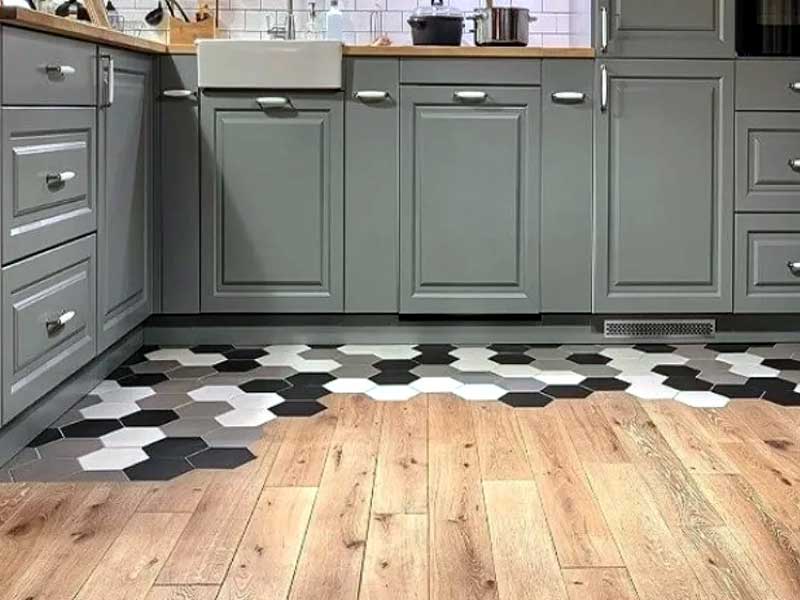
Hexagonal tiles are another trendy option that can add a modern, geometric feel to your kitchen. Whether you choose small, mosaic-style hexagons or larger tiles, this shape creates a striking visual effect that’s both contemporary and timeless. Hexagonal tiles work particularly well in kitchens with a minimalist design, as they add interest without overwhelming the space. The hexagonal tiles are a popular choice for creating a sleek, stylish splashback.
Choosing the Right Splashback
Your kitchen splashback is more than just a practical feature—it’s an opportunity to express your personal style and enhance the overall look of your kitchen. Whether you opt for classic subway tiles, sleek glass, or bold mosaics, there’s a splashback option to suit every taste and budget. In Melbourne, where design trends are constantly evolving, choosing the right splashback can help you create a kitchen that’s both functional and beautiful. So, when you’re planning your next kitchen renovation, don’t overlook this important element—it could be the key to transforming your space.