

Tile vs Laminate Flooring: Pros, Cons, and Cost
Choosing the right flooring, like tile and laminate, is crucial in home renovations. Let’s explore the pros and cons of each, helping you make an informed decision for your kitchen, bathroom, or any other renovation project.
Tile Flooring
In Melbourne, a city with diverse architectural styles and variable weather, tile flooring is a favored option for its resilience and aesthetic versatility. Perfect for Melbourne’s eclectic mix of modern and historical homes, tile’s durability suits the city’s lifestyle, offering an ideal solution for areas like kitchens and bathrooms that encounter varied use and conditions.
Pros of Tile Flooring
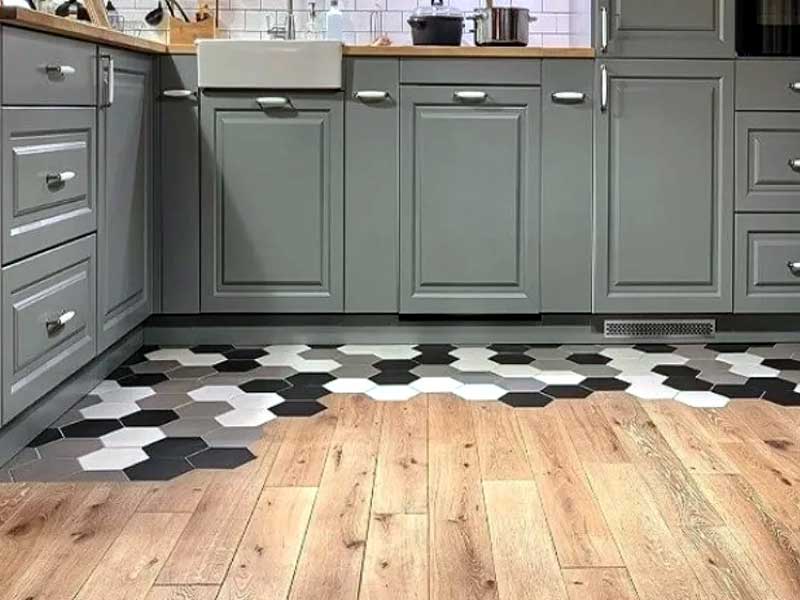
Tile flooring in Melbourne offers numerous advantages. Its incredible durability makes it a practical choice for high-traffic areas in homes. Tiles resist wear and tear, maintaining their appearance over years, a vital feature in Melbourne’s active households. Additionally, their moisture resistance is perfect for the city’s humid summers and occasional downpours, ensuring longevity in wet areas like bathrooms and laundries. Aesthetic versatility is another significant benefit; tiles come in a vast array of styles, colors, and patterns, fitting seamlessly into Melbourne’s varied interior designs from the sleek, modern apartments in the CBD to the charming, heritage-listed houses in suburbs like Carlton. This versatility allows homeowners to create personalized spaces that reflect their style. Furthermore, tiles are a hygienic option, easy to clean, and do not harbor allergens, making them a sensible choice for Melbourne’s health-conscious residents.
Cons of Tile Flooring
Despite their benefits, tiles have some drawbacks for Melbourne residents. The primary concern is cost. High-quality tiles, along with professional installation by a skilled floor tiler, can be expensive. This is particularly relevant in Melbourne’s premium suburbs, where renovation costs are often higher. Another downside is comfort. Tiles can feel cold underfoot, especially during Melbourne’s chilly winters, which might require additional investment in underfloor heating systems. Tiles are also hard and unforgiving; dropping fragile items usually results in breakage, and standing on tile floors for extended periods can be uncomfortable. Installation complexity is another factor; installing tile flooring requires precision and skill, and any errors in installation can lead to issues like cracking or uneven surfaces. Lastly, while durable, certain types of tiles can be prone to chipping or cracking, and repairing them can be cumbersome, often requiring the replacement of entire sections.
Laminate Flooring
In Melbourne, known for its dynamic lifestyle and a penchant for modern interiors, laminate flooring is increasingly becoming a popular choice. Its adaptability to various home styles, from urban apartments to suburban residences, and its ability to withstand Melbourne’s varied climate, make it a practical option for many homeowners.

Pros of Laminate Flooring
Laminate flooring offers several benefits for Melbourne’s residents. Its cost-effectiveness is a significant advantage, particularly for young homeowners and those looking to renovate on a budget. Laminate floors provide the aesthetic appeal of hardwood or stone floors without the hefty price tag, making them an attractive option for those wanting to enhance their home’s appearance affordably. Another pro is the ease of installation. Many Melbourne homeowners appreciate the simplicity of installing laminate floors, which can often be done as a DIY project, saving on labor costs. Laminate is also known for its durability against scratches and fading, making it suitable for homes with pets or high foot traffic. Its maintenance is straightforward, requiring simple cleaning methods, which align with the busy lifestyle of many Melbournians. Additionally, modern laminate flooring comes in a wide range of designs and finishes, allowing homeowners to choose a style that complements their home’s interior and personal taste.
Cons of Laminate Flooring
However, there are some drawbacks to laminate flooring in the context of Melbourne. One major concern is its susceptibility to water damage. In areas with high moisture levels, such as bathrooms or kitchens, laminate might not be the best choice. This limitation can be a significant factor for Melbourne homes, where versatile flooring is often needed to handle the city’s variable weather conditions. Another downside is the feel underfoot. While laminate can imitate the look of wood or stone, it doesn’t quite match the warmth and texture of these natural materials, which can be a turn-off for some homeowners. Additionally, while laminate is durable, it’s not as long-lasting as real wood or tile, and can show wear in high-traffic areas over time. It’s also worth noting that cheap laminate can sometimes look artificial, which might not appeal to homeowners seeking a more authentic or premium aesthetic. Lastly, if damaged, laminate flooring can be challenging to repair, often requiring replacement of entire sections, which can be inconvenient and potentially costly.
Comparative Analysis
For Melbourne residents, deciding between tile and laminate flooring involves balancing various factors. Tile, with its durability and water resistance, is ideal for Melbourne’s variable climate, especially in homes with outdoor-indoor living spaces. It’s suited for high-moisture areas like bathrooms, offering a timeless appeal that can enhance property value. Conversely, laminate flooring is more budget-friendly and offers a quick, stylish update to any room. Its ease of installation appeals to DIY enthusiasts in Melbourne. However, it’s less suitable for wet areas, limiting its use in certain parts of the home. In high-traffic areas, both options have their merits, with tile excelling in longevity and laminate in comfort and initial cost. Ultimately, the choice for Melbourne homeowners will depend on specific room requirements, lifestyle, and budget considerations.
Tile vs Laminate Cost
In the Australian market, particularly in Melbourne, the cost of flooring is a crucial factor for homeowners. Tile flooring, while offering durability and a high-end finish, often comes with a higher initial cost. This includes not only the cost of materials but also professional installation by experienced tilers, which is essential for a quality finish. On the other hand, laminate flooring is more budget-friendly, both in terms of material and installation costs. Many Melbourne homeowners opt for laminate when seeking a cost-effective, yet stylish flooring solution. However, it’s important to consider long-term value; tile’s durability and impact on property value can make it a worthwhile investment over time.
FAQs
- What are the key differences between tile and laminate flooring?
- How does the choice of flooring affect the resale value of a home?
- What are the cost implications of choosing a professional floor tiler?
- How do tile and laminate flooring fare in high-moisture areas like bathrooms?
- What should be considered when planning a kitchen or bathroom renovation regarding flooring?
Tile flooring is made from durable materials like ceramic or stone, offering water resistance and longevity, ideal for high-moisture areas. Laminate flooring, a synthetic product, mimics wood or stone at a lower cost and is easier to install, but is less durable and water-resistant than tile.
Quality flooring like tile can enhance a home’s resale value due to its durability and aesthetic appeal. Laminate flooring, while cost-effective and visually appealing, may not contribute as significantly to resale value compared to more premium options like tile.
Professional floor tilers ensure proper installation, which is crucial for the longevity of tile flooring. Their expertise comes at a cost, typically higher than DIY options, but ensures precision, potentially saving money in the long term by avoiding repair or replacement costs due to poor installation.
Tile flooring excels in high-moisture areas like bathrooms due to its water resistance and durability. Laminate, though improved in moisture resistance in recent versions, is still more susceptible to water damage and may not be the best choice for very wet areas.
When renovating kitchens or bathrooms, consider moisture resistance, durability, and maintenance requirements of flooring. Tile is ideal for wet and high-traffic areas, offering long-term durability. Laminate works well in areas with lower moisture exposure, offering a budget-friendly yet stylish option.
Conclusion
For Melbourne homeowners, the choice between tile and laminate flooring depends on various factors including lifestyle, budget, and the specific needs of each room. Tile offers durability, water resistance, and a classic look that can enhance the value of a property, making it ideal for areas like bathrooms and kitchens. Laminate, being more budget-friendly and easier to install, is suitable for quick renovations and rooms with less moisture exposure. Ultimately, the decision should align with the homeowner’s priorities, whether it’s long-term value and durability or cost-effectiveness and ease of installation. Considering Melbourne’s diverse climate and architectural styles, both flooring options have their unique place in home renovations.
