Tile vs Laminate Flooring

Tile vs Laminate Flooring: Pros, Cons, and Cost

Choosing the right flooring, like tile and laminate, is crucial in home renovations. Let’s explore the pros and cons of each, helping you make an informed decision for your kitchen, bathroom, or any other renovation project.

  1. Introduction
  2. Tile Flooring
  3. Laminate Flooring
  4. Comparative Analysis
  5. Cost Comparison
  6. FAQs
  7. Conclusion

Tile Flooring

In Melbourne, a city with diverse architectural styles and variable weather, tile flooring is a favored option for its resilience and aesthetic versatility. Perfect for Melbourne’s eclectic mix of modern and historical homes, tile’s durability suits the city’s lifestyle, offering an ideal solution for areas like kitchens and bathrooms that encounter varied use and conditions.
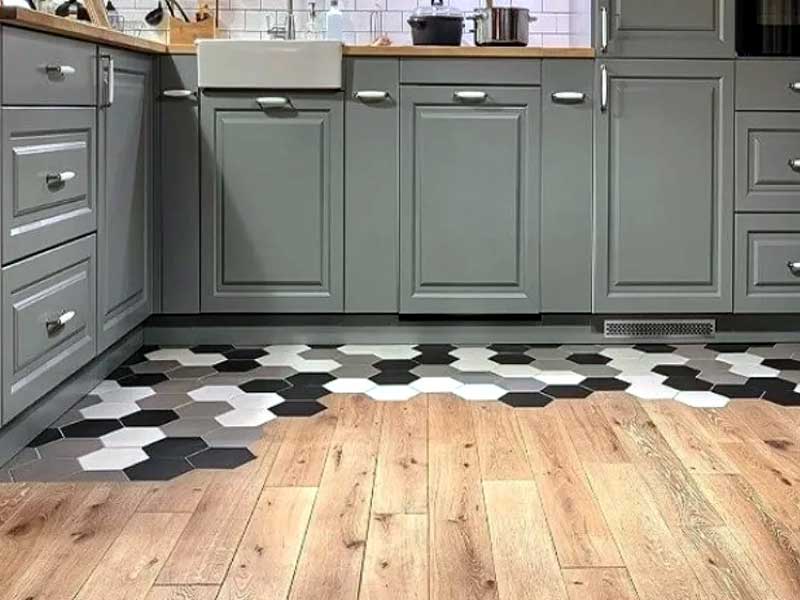
tile laminate flooring kitchen

Pros of Tile Flooring

Tile flooring in Melbourne offers numerous advantages. Its incredible durability makes it a practical choice for high-traffic areas in homes. Tiles resist wear and tear, maintaining their appearance over years, a vital feature in Melbourne’s active households. Additionally, their moisture resistance is perfect for the city’s humid summers and occasional downpours, ensuring longevity in wet areas like bathrooms and laundries. Aesthetic versatility is another significant benefit; tiles come in a vast array of styles, colors, and patterns, fitting seamlessly into Melbourne’s varied interior designs from the sleek, modern apartments in the CBD to the charming, heritage-listed houses in suburbs like Carlton. This versatility allows homeowners to create personalized spaces that reflect their style. Furthermore, tiles are a hygienic option, easy to clean, and do not harbor allergens, making them a sensible choice for Melbourne’s health-conscious residents.

Cons of Tile Flooring

Despite their benefits, tiles have some drawbacks for Melbourne residents. The primary concern is cost. High-quality tiles, along with professional installation by a skilled floor tiler, can be expensive. This is particularly relevant in Melbourne’s premium suburbs, where renovation costs are often higher. Another downside is comfort. Tiles can feel cold underfoot, especially during Melbourne’s chilly winters, which might require additional investment in underfloor heating systems. Tiles are also hard and unforgiving; dropping fragile items usually results in breakage, and standing on tile floors for extended periods can be uncomfortable. Installation complexity is another factor; installing tile flooring requires precision and skill, and any errors in installation can lead to issues like cracking or uneven surfaces. Lastly, while durable, certain types of tiles can be prone to chipping or cracking, and repairing them can be cumbersome, often requiring the replacement of entire sections.

Laminate Flooring

In Melbourne, known for its dynamic lifestyle and a penchant for modern interiors, laminate flooring is increasingly becoming a popular choice. Its adaptability to various home styles, from urban apartments to suburban residences, and its ability to withstand Melbourne’s varied climate, make it a practical option for many homeowners.

tile laminate flooring kitchen

Pros of Laminate Flooring

Laminate flooring offers several benefits for Melbourne’s residents. Its cost-effectiveness is a significant advantage, particularly for young homeowners and those looking to renovate on a budget. Laminate floors provide the aesthetic appeal of hardwood or stone floors without the hefty price tag, making them an attractive option for those wanting to enhance their home’s appearance affordably. Another pro is the ease of installation. Many Melbourne homeowners appreciate the simplicity of installing laminate floors, which can often be done as a DIY project, saving on labor costs. Laminate is also known for its durability against scratches and fading, making it suitable for homes with pets or high foot traffic. Its maintenance is straightforward, requiring simple cleaning methods, which align with the busy lifestyle of many Melbournians. Additionally, modern laminate flooring comes in a wide range of designs and finishes, allowing homeowners to choose a style that complements their home’s interior and personal taste.

Cons of Laminate Flooring

However, there are some drawbacks to laminate flooring in the context of Melbourne. One major concern is its susceptibility to water damage. In areas with high moisture levels, such as bathrooms or kitchens, laminate might not be the best choice. This limitation can be a significant factor for Melbourne homes, where versatile flooring is often needed to handle the city’s variable weather conditions. Another downside is the feel underfoot. While laminate can imitate the look of wood or stone, it doesn’t quite match the warmth and texture of these natural materials, which can be a turn-off for some homeowners. Additionally, while laminate is durable, it’s not as long-lasting as real wood or tile, and can show wear in high-traffic areas over time. It’s also worth noting that cheap laminate can sometimes look artificial, which might not appeal to homeowners seeking a more authentic or premium aesthetic. Lastly, if damaged, laminate flooring can be challenging to repair, often requiring replacement of entire sections, which can be inconvenient and potentially costly.

Comparative Analysis

For Melbourne residents, deciding between tile and laminate flooring involves balancing various factors. Tile, with its durability and water resistance, is ideal for Melbourne’s variable climate, especially in homes with outdoor-indoor living spaces. It’s suited for high-moisture areas like bathrooms, offering a timeless appeal that can enhance property value. Conversely, laminate flooring is more budget-friendly and offers a quick, stylish update to any room. Its ease of installation appeals to DIY enthusiasts in Melbourne. However, it’s less suitable for wet areas, limiting its use in certain parts of the home. In high-traffic areas, both options have their merits, with tile excelling in longevity and laminate in comfort and initial cost. Ultimately, the choice for Melbourne homeowners will depend on specific room requirements, lifestyle, and budget considerations.

Tile vs Laminate Cost

In the Australian market, particularly in Melbourne, the cost of flooring is a crucial factor for homeowners. Tile flooring, while offering durability and a high-end finish, often comes with a higher initial cost. This includes not only the cost of materials but also professional installation by experienced tilers, which is essential for a quality finish. On the other hand, laminate flooring is more budget-friendly, both in terms of material and installation costs. Many Melbourne homeowners opt for laminate when seeking a cost-effective, yet stylish flooring solution. However, it’s important to consider long-term value; tile’s durability and impact on property value can make it a worthwhile investment over time.

FAQs

  1. What are the key differences between tile and laminate flooring?
  2. Tile flooring is made from durable materials like ceramic or stone, offering water resistance and longevity, ideal for high-moisture areas. Laminate flooring, a synthetic product, mimics wood or stone at a lower cost and is easier to install, but is less durable and water-resistant than tile.

  3. How does the choice of flooring affect the resale value of a home?
  4. Quality flooring like tile can enhance a home’s resale value due to its durability and aesthetic appeal. Laminate flooring, while cost-effective and visually appealing, may not contribute as significantly to resale value compared to more premium options like tile.

  5. What are the cost implications of choosing a professional floor tiler?
  6. Professional floor tilers ensure proper installation, which is crucial for the longevity of tile flooring. Their expertise comes at a cost, typically higher than DIY options, but ensures precision, potentially saving money in the long term by avoiding repair or replacement costs due to poor installation.

  7. How do tile and laminate flooring fare in high-moisture areas like bathrooms?
  8. Tile flooring excels in high-moisture areas like bathrooms due to its water resistance and durability. Laminate, though improved in moisture resistance in recent versions, is still more susceptible to water damage and may not be the best choice for very wet areas.

  9. What should be considered when planning a kitchen or bathroom renovation regarding flooring?
  10. When renovating kitchens or bathrooms, consider moisture resistance, durability, and maintenance requirements of flooring. Tile is ideal for wet and high-traffic areas, offering long-term durability. Laminate works well in areas with lower moisture exposure, offering a budget-friendly yet stylish option.

Conclusion

For Melbourne homeowners, the choice between tile and laminate flooring depends on various factors including lifestyle, budget, and the specific needs of each room. Tile offers durability, water resistance, and a classic look that can enhance the value of a property, making it ideal for areas like bathrooms and kitchens. Laminate, being more budget-friendly and easier to install, is suitable for quick renovations and rooms with less moisture exposure. Ultimately, the decision should align with the homeowner’s priorities, whether it’s long-term value and durability or cost-effectiveness and ease of installation. Considering Melbourne’s diverse climate and architectural styles, both flooring options have their unique place in home renovations.

how to repair a chipped tile

How to Repair a Chipped Tile

Tile is a popular finishing material. They are beautiful and durable, and you can choose a variant to suit a variety of interiors and budgets. But even a durable material can get damaged, spoiling the view and interfering with the functionality of the coating. But it’s not always worth replacing the entire finish. Sometimes the defect can be dealt with independently.

How and what to fix a chipped tile on the floor

If the damage is minor, you can cope with it with the help of decorative methods. This method is a common method among professional floor tilers.

Grout in the color of the tiles

To fix a chipped tile, you will need to prepare the following tiling tools:

  • rubber trowel
  • colored grout
  • fine-grained sandpaper

Using a rubber spatula, the grout must be carefully applied To the place of a crack or chipping. Smooth the joint and leave it to dry completely. dry. Next, you need to remove any roughness or irregularities. This is what you’ll need a fine-grained sandpaper.

Grouting with Ceramic Paint

To remove a chipped tile with ceramic paint, you will need:

  • putty
  • fine sandpaper
  • paint for ceramics of a suitable shade
  • primer

Grind the chip with fine sandpaper, and then fill it with putty. After the putty has dried completely, you need to prime the chipped area, and then paint with ceramic paint. If the necessary tone of paint is not available in the store, you can tint an ordinary white. All specialty stores offer this service. To make it easier to choose the right color, you should bring a sample of the tile, or take a picture of it in daylight.

Caulking a chip with epoxy and pigment

In order to fill a chipping with epoxy resin and pigment, you need to prepare:

  • epoxy resin
  • tint of the desired color
  • masking tape
  • degreaser
  • rubber trowel
  • putty
  • fine sandpaper
  • varnish

Since epoxy resin is colorless, you must first give it the desired shade. To do this, use a tint of a suitable color.

  1. The place of formation of the defect should be degreased. Adjacent tiles should be covered with painter’s tape so that the excess product does not allow undamaged areas to be exposed to the product.
  2. Give the putty the desired color.
  3. Mix the colored putty with the epoxy resin.
  4. Smear the damaged area with the prepared putty and smooth it out with a rubber putty knife.
  5. Remove the excess putty.
  6. Wait until the solution is completely dry.
  7. Sand the chipped area with fine sandpaper.
  8. Coat with varnish.

Repairing chipped tiles on the wall

A chipped or cracked ceramic tile on the wall can be repaired using the same methods as on the floor: grout, epoxy, pigmented epoxy, and ceramic paint putty.

Using decorative stickers

For tile restoration on the wall, vinyl stickers are suitable. This method takes little time and allows you to be creative in solving the problem.

The chipped area must be degreased before gluing the sticker. Reconstruction will not be necessary, as the sticker will completely hide the crack.

To repair tile damage in the bathroom, you need to choose stickers that are resistant to moisture, steam and cleaning agents.

You can also find self-adhesive film on sale for in rolls. Working with it is more difficult than with stickers, as bubbles can form when decorating. To avoid this, the film has to be stretched when it is glued on.

Using accessories for masking

If using one of the methods, the repaired area is too noticeable, then it is worth showing design ingenuity and decorate the place with interior objects. For example, hang a beautiful holder for towels, put a laundry basket, hang a mirror, place a vase with flowers.

Replacing damaged tile elements in case of cracks and large chips

When local restoration is not possible, the only way out will be to replace the tiles. This method is more effective.

Replacing damaged tiles on the floor or wall is done As follows:

  1. Grouting the seams. The joints are cleaned all the way down to the base with a special reamer or a sharp object.
  2. Removing tiles. To do this, you need to pick it up and tear with force
    from the surface. If you can’t do it, the glue must be moistened with a soapy solution. composition should be moistened with a soapy solution.
  3. Cleaning the adhesive. First remove the old adhesive from the base of the floor or wall. If it is very thick, you can soften it with a solvent.
  4. inspection of adjacent elements. If the nearby tiles are damaged or the quality of masonry is disturbed, it is better to remove them and re-lay them.
  5. Installation. The new coating is laid on the adhesive. Adhesive composition is prepared according to the instructions. It is more convenient to apply it to the tile itself.
  6. Alignment. After laying the tile in the prepared place, along its perimeter in the joints are inserted crosses. With the help of a construction level, the alignment takes place.
  7. Grouting of joints. Execute after the glue dries completely. It is necessary to pick up the same shade of grout as on the other joints. If this is not possible, it is recommended to renovate them completely.

Why tiles crack and how to avoid damage

The most common reasons for tile failure are the following:

  1. Rough mechanical impact. Often chips and cracks appear as a result of some heavy object falling on the floor.
  2. Careless preparation of the substrate. It is important not to forget to degrease the surface before starting work.
  3. The use of materials of low quality.
  4. Temperature fluctuations.
  5. Uneven substrate. Tile should be laid on a previously levelled surface.
  6. For the walls and floor it is necessary to use different materials. When buying, it is worth paying attention to what the coating is intended for.
  7. It is important to monitor the condition of the seams. Often in the process of operation, the tightness of the connection with the base is violated, as a result of which moisture gets inside.

Repairing glazed tiles is not a complicated matter. Even a beginner can cope with it. However, you should not forget about the observance of technology, careful attitude and proper operation to avoid restoration.

types of floor tiles

Types of floor tiles

Ceramic tile is one of the common methods of hygienic, durable interior and exterior decoration of horizontal surfaces located in private homes, multi-storey buildings, sports, shopping, entertainment, household structures.

To be most effective and long-lasting tiles require proper selection and use.

Floor tiles should have minimal structural porosity and, consequently, high density. Its water absorption should not be too high. At the same time, tile floors are well cleaned from all kinds of dirt, both with plain water and soap solutions.

Basic types of floor tiles

Before proceeding to the floor tiler, it is important to know and understand what tiles are.

Floor tiles are not only ceramic or glazed, but also cut from natural finishing stone, as well as high-strength tempered glass with a monochrome or abstract pattern.

Ceramic Floor Tiles

Ceramic Floor Tiles
A traditional, well-known material, distinguished by its versatility. Thanks to its good durability, ceramic tiles can be laid with equal success in the kitchen, the bathroom, the bathroom, on the floor in the entrance area and even outdoors. Naturally, before choosing a ceramic tile, you should know its category and technical parameters, so that eventually buy products that can withstand the appropriate stresses.

Tiles are made from clay with the addition of sand.

Porcelain floor tiles

Porcelain floor tiles
When considering in detail the types of floor tiles, it is impossible to ignore porcelain tile. It is made by a more labour-intensive and complex method than conventional ceramic tiles, but the result is a very durable, resistant to wear and tear, temperature differences and moisture.

Porcelain stoneware is classified according to the type of surface, the variant of edge processing, the structure. On these important parameters depends on the scope of application of the material.

There are several varieties of surface, each of which has its own texture, appearance and, of course, differs in terms of performance indicators.

  • Technical porcelain stoneware
  • Brushed porcelain stoneware
  • Glazed porcelain stoneware
  • Polished Porcelain Stoneware
  • Structured porcelain tiles
  • Brushed Stoneware
  • Mosaic Tile

Stone Floor Tiles

Stone Floor Tiles
The demand for tiles made of Natural Stone is quite understandable, because this material has long been an alliance of practicality and aesthetics. The beautiful texture of the stone, combined with its strength and durability, makes it possible to create elite interiors not for years, but for decades.

After facing the floors look really rich and nontrivial, maintaining its appeal throughout the period of operation, and the versatility of color solutions of stone tiles can embody the most original design ideas.

The variety of stone species is so great that the market of finishing materials abounds with offers. However, for floor cladding only those tiles that have exceptional strength indicators.

For its production use rocks, characterized by the greatest resistance to mechanical damage and not prone to deformation. Products made of granite, marble, travertine and onyx are especially popular.

  • Granite Tiles
  • Marble Tiles
  • Onyx Tiles
  • Travertine Tiles

What floor tiles are best to choose

Different approaches to the selection of tiles for these and similar rooms establish that the floor tiles, although adjacent rooms must be decided in the same design style have the same color, pattern, and therefore the same technical characteristics. Another approach types of ceramic tiles can be different. On this you can save a lot of money, because, for example, in terms of water absorption or slipperiness tiles for the corridor or kitchen can have lower rates than for the bathroom.

At the same time, the abrasion coefficient for tiles in the hallway or vestibule, where street dirt initially enters, should be higher than in the kitchen or bathroom. This greatly complicates the question of which ceramic tile to choose for the kitchen. Therefore, for such places it is a peculiarity, it is better to choose types of tiles with appropriate properties, based on what kind of tile should be used for a particular purpose.

Bathroom trends in 2021

Bathroom trends in 2021

Do you want to renovate your bathroom leading into the new year? As the self-care and wellness movement grows, bathrooms are acquiring top trends in bathroom design. Bathrooms are not only necessary for particular purposes like showering but can also be used in a more personalized way like a spa-like retreat. Industry experts have discovered the top trends in bathroom design for 2021. They have discovered which bathroom trends, whether big or small will be popular in the new year. If you would like to renovate your bathroom to give it a more personal touch, below are some ideas that will inspire you to do just that.

1. Accent walls

If you would like to add a touch of elegance and sophistication to your bathroom, adding accent walls during your bathroom renovations will do just that. It will work up interest in your bathroom. An accent wall is an interior wall whose design differs from that of the other walls in your bathroom. The colour of the wall and the design in terms of material can be a different shade from the other walls in the bathroom giving it a unique look. You can choose to do a bathroom tiling for your accent walls. Wall tile for your accent wall is a more versatile and durable option for an accent wall because tiles can be manufactured and made to look like anything from natural wood to stone. Also, bathroom tiling for accent walls is more suitable since all glazed tiles are waterproof and they protect your walls from moisture keeping them well dried. Experts have also found that accent walls can be used to liven up a neutral palette or help draw focus to a certain feature in your bathroom.

2. Freestanding vanities

If you want to give a custom look to your bathroom, freestanding vanities are the best choice for you. Freestanding vanities have a furniture-like appeal that presents a great opportunity to add a custom look to your bathroom. They offer the same storage and plumbing benefits as traditional vanities. You can update your vanities and change the look of your bathroom without doing a full bathroom renovation. Freestanding vanities also open your bathroom space by extending the room’s line of vision, with flooring that continues underneath the cabinetry.

3. Black accents

If you want to provide a pop of contrast in your white traditional bathroom, foster a mood, or give a glamorous vibe to your bathroom, you can do bathroom renovations and use black accents sparingly. Black and white are perfect together for your bathroom. They will help you feel relaxed in your bathroom as well as give you a clean bathroom. You can pair matte black hardware and cabinets to create pleasing punctuation within your bathroom. Moreover, experts have discovered that bold black accent walls, deep-hued vanities, and even black plumbing features for bathrooms are on the rise.

4. Natural tones and textures

If you want to create a calming effect of water and air in your bathroom by doing bathroom renovations, then natural tones and textures are the best choices for you. Natural tones and textures create a spa-like retreat in your bathroom and help you to relax. Neutral tones are a rising trend in the bathroom renovations sector because they nicely accent tones of existing features. You can renovate by using textured bathroom tiling which is designed to look and feel like wood grain, have a smooth yet slightly grooved texture and rustic and warm appearance.

5. Double vanities

If you want to create more space in your bathroom, you can do bathroom renovations by adding double vanities to your bathroom. Double vanities will give you more space in your bathrooms which will in turn provide you with opportunities for unique design elements. Bathroom renovations by adding double vanities include incorporating two sinks into one vanity. Although, experts recommend splitting the vanities into two freestanding structures. This will help you achieve a custom look for your bathroom. However, double sinks reduce the amount of usable counter space. Manufacturers have come up with a solution for this by using creative storage solutions.

6. Large showers

More people are bathroom renovating and adopting the walk-in shower and luxurious tub. Separating the bathtub and the shower is what most people are opting for. Moreover, including a large soaker tub in the master bedrooms is becoming a popular bathroom renovation trend. Also, you can choose to expand your shower and hence introducing customization and spa-like extras in the showers.

7. Round mirrors

Bathroom tiling, flooring, and woodwork make the bathroom to be dominated by hard lines. If you want to break up sharp angles in your bathroom, then opting for round mirrors instead of rectangular ones is a great option. The circular shape of the round mirrors brings softness and visual contrast to your bathroom space. Moreover, round mirrors will provide you with a modern look as well as a relaxed vibe. Round mirrors work for pedestal sinks as well as single and double vanities.

8. Spa-inspired luxuries

If you want a bathroom renovation that creates a feeling of extreme comfort or a soothing retreat, then adding spa-like luxuries to your bathroom will do just that. More people are opting for voice-activated shower systems to showerheads that provide a spa-like experience. Moreover, advancements in technology have made it possible for people to integrate spa-like luxuries like smart outlet controllers that use voice commands, an app that starts the water and adjusts it to your desired temperature, and a showerhead that features massaging rollers or produces an overhead rainfall effect. You can be able to renovate your bathroom to accommodate spa-like luxuries no matter what your budget is.

In the year 2021, more bathroom renovation trends have risen. These trends are very familiar but yet unique. These trends will keep on growing over the years and even become better. If you want to get an edge on your renovation plans, then it is a great idea to consider using the trends in the coming year.