how to fix drummy tiles

How to Fix Drummy Tiles Without Removing Them

Drummy tiles are a common issue in many homes, especially in older properties or poorly installed floors. If you tap on a tile and hear a hollow sound, it likely means the tile has lost contact with the adhesive beneath it. These loose tiles may not be visibly damaged, but if left unattended, they can crack, lift or lead to more serious structural problems.

What are drummy tiles and why do they happen

Drummy tiles refer to floor or wall tiles that sound hollow when tapped. This happens when there is a gap between the tile and the adhesive bed due to improper installation, poor quality glue, lack of back buttering or general wear and tear. It is also common in areas where there is movement in the substrate or water has seeped underneath. Knowing how to fix drummy floor tiles early can help prevent future issues and avoid expensive repairs.

The first step is to inspect the tiled surface. Lightly tap on each tile with a solid object like a wooden stick or a small rubber mallet. If a tile produces a hollow sound compared to others, it is likely a drummy tile. You do not need to remove the entire tiled area to fix the issue. One of the most effective ways to repair drummy tiles is through injection methods that restore adhesion beneath the surface.

Step-by-step method to fix drummy tiles

Here is a simple breakdown of how to repair loose tiles without removing them. This method works well for single loose tiles or larger areas that have become hollow or detached.

1. Tap and find the problem spots

Start by tapping across the tiled surface and mark every drummy tile. Use chalk or a marker to identify the affected areas clearly. This step is important to ensure the repair targets all the hollow points in one go.

2. Drill holes between the grout lines

Use a suitable drill bit to carefully drill small holes between the tiles along the grout lines. These holes will act as entry points for the adhesive injection. Avoid drilling directly into the tiles to prevent cracking. A qualified tiler will know the best way to avoid damaging the surface while preparing for injection.

3. Clean the joints and vacuum the area

Once the holes are drilled, clean all grout joints around the affected tiles. Use a vacuum to suck out any dust, debris or loose fragments from the drilled holes. A clean cavity allows for better adhesion and proper flow of the injected material underneath the tile.

4. Inject adhesive into the cavities

With a specialised tiling injection system, inject a high-quality adhesive or bonding agent into the holes. This solution fills the void beneath the tile and re-bonds it to the substrate. Continue injecting until you see the adhesive rising slightly from nearby holes. This confirms that the cavity has been filled completely.

5. Wait for the adhesive to cure

Each product will have its own curing time, usually ranging from a few hours to 24 hours. Follow the manufacturer's instructions to allow proper bonding. Avoid walking over the repaired area during this period to ensure the tiles are securely set again.

6. Regrout and clean the surface

Once the adhesive has cured, refill the drilled holes and grout lines using matching grout. Smooth it out with a sponge and clean the surface thoroughly. The tiles should now feel solid underfoot, without any hollow sound or movement.

Why use injection instead of tile removal

Fixing loose floor tiles using injection saves time, mess and cost. There is no need to remove the tile or replace it entirely. You also avoid damaging surrounding tiles, which is especially useful in bathrooms, kitchens and tiled living areas where matching replacements may not be available. Tilers often use this technique in high-end Melbourne renovations to preserve the original finish and avoid disruption.

You can fix one loose tile using the same injection method. As long as the tile is intact and not cracked, it can be re-bonded effectively without lifting it. A single drill hole near the centre of the tile is enough for adhesive to spread underneath and secure it back in place. This is a cost-effective option for isolated tile issues caused by minor movement or moisture.

If tiles continue to become drummy or loose, there may be an underlying problem with the substrate, moisture levels or original tile installation. In such cases, it is worth having a professional tiler assess the situation. Addressing the root cause early can prevent long-term damage and ensure the tiling system remains strong for years to come.

For minor cases, confident DIYers can attempt the injection method using available repair kits. However, for larger tiled areas, or when dealing with sensitive surfaces like natural stone or porcelain, it is best to call a professional tiler. They will have the right tools, knowledge and products to carry out a reliable drummy tiles repair job without causing further issues.

Final thoughts

Drummy tiles do not always mean you need a full replacement. By using a targeted injection repair process, you can bring life back into your floor without the hassle of removal. Tapping, drilling, cleaning, injecting and regrouting are all part of a smart and efficient solution to common tiling problems. Whether it is one loose tile or an entire patch, this repair method can restore your floor and save you money in the long run.

how to tile around a pool

How to Tile Around a Pool

If you’re dreaming of a backyard that screams luxury and ease, then learning how to tile around a pool is a great place to start. Whether you’re diving into a brand-new project or giving your tired old surrounds a fresh facelift, pool tiling isn’t just about looks—it’s about safety, durability, and style. Let’s dive into it.

Tiling around your pool doesn’t just make the area look schmick—it plays a huge role in functionality too. The right tiles give you a non-slip, easy-to-clean, and long-lasting surface that can handle our hot Aussie sun, plenty of splashing, and the occasional cannonball. It’s also a must-have move if you’re considering pool renovations or pool restoration projects.

Choosing the Best Tiles to Use Around Pool

Non-Slip Surface Matters

Let’s face it—nobody wants to take a tumble next to the pool. The best tile to put around a pool has a textured, non-slip surface. Think natural stone, porcelain with grip, or specialised outdoor tiles designed for wet areas.

Heat Resistance and Durability

Ever tried walking barefoot on tiles that feel like lava? Yeah, not fun. Look for tiles that stay cool underfoot and can stand up to the scorching sun. You’ll also want something that won’t crack or chip over time—porcelain and travertine are legends in this department.

Style, Colour, and Design

From classic white to earthy tones or bold blues, you’ll find plenty of choices to match your vibe. Just remember, light colours reflect heat better and don’t show dirt as much. Picking the right tiles around the pool makes a massive difference in how your whole outdoor area looks and feels.

Step-by-Step Guide to Lay Tiles Around a Pool

1. Plan and Measure

Start by grabbing your tape measure and working out exactly how much space you’re tiling. Make a plan for your tile layout—this helps avoid awkward cuts and ensures everything lines up neatly around the pool’s edges.

2. Prepare the Surface

Your base needs to be clean, level, and solid. If you’re laying over concrete, give it a proper clean and check for cracks. If it’s uneven, sort it out with a screed or levelling compound. Good prep means good results.

3. Apply the Adhesive

Use a tile adhesive that’s rated for outdoor and wet area use—don’t skimp here. Use a notched trowel to spread it evenly across small sections so it doesn’t dry out before you lay the tiles.

4. Lay the Tiles

Start from a straight edge and lay your tiles with consistent spacing. Use tile spacers for that pro finish. Check levels as you go and tap them in with a rubber mallet if needed. Around curves or corners, you may need to cut tiles to fit just right.

5. Grout and Seal

Once the adhesive sets, it’s time to grout. Pick a waterproof grout suitable for outdoor use. After the grout dries, apply a tile sealer—especially if you’re using natural stone. This step keeps your pool area looking good and helps prevent staining.

Common Mistakes to Avoid When Tiling Around Pool Area

Here’s what not to do: skipping surface prep, using indoor tiles (big no-no), not sealing porous tiles, or rushing through the layout plan. Each one of these can lead to tiles lifting, slipping hazards, or just a dodgy finish.

Do You Need a Pool Tiler?

If this is your first rodeo or you’re tackling a complex shape, calling in a professional pool tiler can be worth every cent. A good pool tiling company knows the ins and outs of waterproofing, tiling curves, and making your pool surround pop. They’ll save you time, headaches, and future repairs.

Maintaining Your Pool Tiles

Once your tiles are in, keep them clean with regular hosing down and a soft brush to remove grime. Every now and then, check for loose or cracked tiles and re-seal if needed. A bit of maintenance goes a long way to keeping your pool restoration looking brand new.

Final Thoughts on Pool Tiling

Tiling around your pool is one of those projects that can totally transform your outdoor space. Whether you’re doing a DIY job or bringing in a local pool tiling company, it pays to plan well, pick the right tiles, and take your time with the process. Want the best result? Make sure you’re laying the tiles to use around pool areas with care. It’s not just about looks—it’s about creating a space you can enjoy all summer long without worry.

around swimming pool deck ideas

Around Swimming Pool Deck Ideas

When it comes to designing the perfect poolside area in your Melbourne backyard, the options are endless. Whether you have a small plunge pool or a big lap pool, the right landscaping can transform your space into a modern oasis. From lush grass to sleek tiling, each choice has its own benefits. Let us explore four popular options for around the pool: grass, decking, concrete, and tiling.

Grass Around the Pool

Grass Around the Pool

Nothing beats the natural look of grass around the pool. It creates a soft, inviting feel and blends seamlessly with your backyard. Perfect for families who want a kid-friendly surface, grass is a classic choice for poolside landscaping.

Grass is soft underfoot, making it ideal for children and barefoot strolls. It keeps the area cool on hot Melbourne days and adds a touch of greenery to your pool deck. Plus, it is cost-effective compared to other materials.

Keep in mind that chlorine and pool chemicals may damage the grass over time. If you are after a low-maintenance option, this might not be the best fit.

Decking Around the Pool

Decking Around the Pool

For a stylish and durable pool deck, decking is a fantastic choice. Whether you prefer the warmth of timber or the resilience of composite, decking adds a luxurious touch to any poolside.

Timber decking offers a natural, rustic charm. Hardwoods like spotted gum or merbau are popular in Melbourne due to their durability. However, timber requires regular sealing to prevent warping and splintering.

If you want the look of timber without the upkeep, composite decking is the way to go. Made from a blend of wood fibres and plastic, it resists fading, staining, and moisture—perfect for around the pool.

Concrete Pool Deck

Concrete Pool Deck

Concrete is a versatile and modern option for your pool deck. With endless finishes and colours, you can create a sleek, contemporary look that complements your backyard.

Stamped concrete can mimic natural stone or pavers, while polished concrete offers a smooth, high-end finish. Exposed aggregate is another great choice, providing a non-slip surface—ideal for safety around the pool.

Tiling Around the Pool

Tiling Around the Pool

For a truly customised poolside, tiling is unbeatable. From ceramic to natural stone, tiles offer endless decorating possibilities.

A skilled pool tiler is essential for a flawless finish. Look for professionals experienced in poolside installations to ensure your tiles withstand water exposure and heavy foot traffic.

Natural stone tiles, like travertine or slate, bring elegance and texture to your poolside. Ceramic tiles, on the other hand, are budget-friendly and come in a wide range of designs. Both options are slip-resistant, making them safe for wet areas.

Choosing the right material for around your pool depends on your style, budget, and maintenance preferences. Grass offers a natural look, decking adds warmth, concrete provides versatility, and tiling delivers a high-end finish. Whatever you pick, make sure it enhances your Melbourne backyard and creates the perfect poolside retreat.

japanese finger mosaic tiling

Japanese Tiles in Bathroom

Transforming your bathroom into a masterpiece of aesthetics and functionality is an art, and the choice of tiling plays a pivotal role. Among the myriad options available, Japanese tiles, particularly finger tiles, stand out for their unique design and versatility. These slender, finger-like tiles, also known as finger tiles, have gained immense popularity for adding a touch of elegance and sophistication to bathroom spaces.

Unveiling the Charm of Japanese Tiling in Bathrooms

Japanese tiling, known for its precision, beauty, and quality, brings a serene and harmonious atmosphere to any bathroom. The introduction of finger tiles into the realm of bathroom tiling has been a game-changer. Their sleek, rectangular shape, reminiscent of the famous chocolate bar, offers a modern and chic look that is both eye-catching and functional. These tiles are not just about aesthetics; they are crafted to withstand the humid and wet conditions of bathrooms, ensuring durability alongside beauty.

The Aesthetic Versatility of Finger Tiles

Finger tiles come in a variety of colors, textures, and finishes, allowing homeowners and interior designers to unleash their creativity. Whether you are aiming for a minimalist design or a vibrant, eclectic look, these tiles can cater to all tastes and styles. The elongated shape of finger tiles can also create the illusion of height or width in a space, making them ideal for both small and large bathrooms.

Integrating Japanese Tiling in Bathroom Designs

Incorporating Japanese tiling in bathroom designs requires a thoughtful approach to maximize the aesthetic appeal and functionality. Finger tiles can be used for an entire wall, as a feature strip, or to highlight specific areas such as the shower or backsplash. When paired with complementary tiles and bathroom fixtures, they create a cohesive and inviting space. The reflective quality of glazed finger tiles can also enhance the natural lighting of the bathroom, making the space feel brighter and more spacious.

Choosing the Tiler for Your Project

Finding the tiler is crucial to achieving the perfect finish. A skilled tiler with experience in laying Japanese tiles can ensure that the alignment and spacing are executed flawlessly. It’s important to choose a professional who understands the intricacies of working with finger tiles and can provide guidance on the best practices for installation and maintenance.

Maintenance Tips for finger Tiles

Maintaining the beauty of finger tiles is straightforward. Regular cleaning with mild soap and water is sufficient to keep them looking pristine. However, it’s important to avoid harsh chemicals and abrasive tools that can damage the tile’s surface. With proper care, these tiles can retain their luster and elegance for years to come, making them a wise investment for any bathroom renovation project.

The allure of tiles

The allure of Japanese finger tiles lies in their ability to blend form and function seamlessly. As a versatile and stylish choice for bathroom tiling, they offer a unique aesthetic that can elevate the overall design of your space. Whether you’re renovating your bathroom or building a new one, consider the chic and timeless appeal of finger tiles. With the professional bathroom tiler, these tiles can transform your bathroom into a haven of beauty and relaxation.

Marble Mosaic Tiles

Timeless Marble Mosaic Tiles

Since antiquity, mosaic tiles have been a cornerstone in the decoration of noble homes and palaces across Ancient Rome and Greece. This unique material offers unparalleled originality and beauty to any space it adorns. Today, the market is flooded with various types of mosaics, among which the classic marble mosaic retains its popularity for years on end.

Elegance of Majesty of Marble Mosaics

Marble, a material synonymous with nobility, can inject a majestic quality into any interior design. Crafted from small pieces of this exquisite stone, mosaic tiles have transitioned from being hand-made to being produced with advanced automated techniques. The integrity and beauty of the design depend greatly on the artistic taste and skill of its creators. However, not everyone can master the art of laying marble mosaics beautifully, highlighting the importance of engaging professional tilers for such tasks.

One of the many reasons marble mosaic tiles are so cherished is due to the vast array of natural hues marble comes in. The interplay between matte and glossy pieces creates a particularly stunning effect on walls or floors. Utilizing modern technologies to artificially age the material can lend an even more distinguished appearance to the surface.

Durability Meets Artistry in Marble Mosaics

Marble mosaic is renowned for its longevity. Natural stones can maintain their appearance for centuries, as evidenced by some marble mosaics from Ancient Rome that have reached our time still intact in color and form. Today’s qualified craftsmen, utilizing cutting-edge technology, can create complex, artistic designs on floors or walls. The versatility of marble mosaic extends beyond just wall and floor finishes; it’s also used in decorating pools, staircases, and other structures, making a striking statement in both private residences and public buildings.

Marble mosaic is a popular choice for areas with high foot traffic, including bars, restaurants, hotels, and other venues, due to its ability to withstand heavy loads without compromising on beauty or quality. The properties of marble remain stable under extreme temperatures, ensuring that it does not release harmful substances into the air, is non-flammable, and resistant to moisture. This combination of aesthetic appeal, durability, and safety makes marble mosaic an ideal choice for a wide range of decorative applications.

Choosing the Right Tiler

Given the complexity and skill required to properly install marble mosaic tiles, selecting the right floor tiler is crucial. A professional tiler with experience in marble mosaics can ensure that the intricate designs and patterns are executed flawlessly, enhancing the overall look and feel of the space. Whether it’s for a residential project or a commercial establishment, the expertise of a skilled tiler can make all the difference in achieving a stunning, long-lasting finish.

Beauty of Marble Mosaic

Marble mosaic tiles offer a unique blend of history, artistry, and durability, making them a timeless choice for enhancing any interior or exterior space. With its rich natural shades, potential for intricate designs, and unmatched longevity, marble mosaic remains a favorite among homeowners and designers alike. By engaging a professional tiler, you can transform your space into a masterpiece of elegance and style that stands the test of time.

Merry Christmas and Happy New Year

Merry Christmas and Happy New Year

Dear Valued Potential Clients,

As we bid farewell to a remarkable year and welcome the joys of Christmas and the New Year, we at Lexa Tiling are excited to share with you the milestones that have made this year truly special for us.

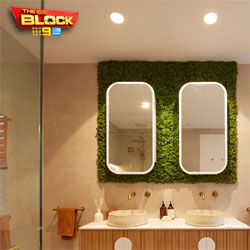
Our journey in 2023 was marked by exhilarating achievements, the first of which was our participation in the renowned “The Block” show. This was a golden opportunity for us to showcase our expertise and creativity in bathroom renovations, and the experience has been nothing short of exhilarating. The recognition and exposure from this esteemed platform have been instrumental in elevating our brand and services to new heights.

But that’s not all. This year, we have ardently focused on enhancing the quality of our tiling services. We believe in constant improvement and have invested in advanced techniques and training to ensure that our work is not just good, but exceptional. Our commitment to excellence has been our guiding star, and we are proud to say that it has led to tangible improvements in the services we offer.

Our heart swells with pride as we reflect on the glowing reviews and feedback from our clients. Your satisfaction is the best measure of our success, and hearing about your positive experiences, especially following kitchen and bathroom renovations, has been incredibly rewarding. These testimonials are not just reviews for us; they are the stories of spaces transformed and dreams realized, all through the art of tiling.

Looking ahead, we are buoyed by a positive outlook and an unwavering commitment to further enhance our tiling craftsmanship. We believe that the future is bright and filled with opportunities to bring more innovative, high-quality tiling solutions to your homes and businesses.

As we step into the New Year, we extend our heartfelt thanks to you for considering Lexa Tiling. We are more than just a tiling company; we are a team of dedicated tilers who are passionate about turning your vision into a beautifully tiled reality. We invite you to join us in this journey of continuous improvement and tiling services.

May this festive season bring you joy, peace, and prosperity.
Here’s to a splendid Christmas and a New Year filled with new possibilities and beautiful beginnings!

Warm regards,
The Team at Lexa Tiling

the block bathroom renovations 2023 episodes

Bathroom Tiling for “The Block” Show

“The Block” is popular Australian TV show that captures the imagination of viewers across the country. This home renovation competition pits talented couples against each other as they transform tired old properties into stunning modern homes. With its massive viewership and devoted fan base, “The Block” is the perfect platform to showcase innovation and craftsmanship in the world of interior design and construction.

At Lexa Tiling, we were honoured to be selected as the tiling contractor for Eliza and Liberty bathroom tiling work on “The Block” show. Our task was to bring a touch of elegance and sophistication to one of the most critical areas of any home: the bathroom. We are delighted to share our journey and experiences from this incredible opportunity.

Bathroom Renovations
Bathroom renovations are one of the main aspects of renovating over transforming their homes, bathrooms are often the centre of their design efforts. Lexa Tiling was tasked with the responsibility of ceramic tiling. From shower to bath, sink to floor, our team has had the honour of working on all aspects of bathroom renovations for Eliza and Liberty team.

Our commitment to quality
We take pride in our work and this project was no exception. Our team of skilled tilers meticulously carried out all the tiling work to perfection. Each tile was laid with precision and attention to detail, ensuring that the end result met the highest standards of quality and craftsmanship.

The highest quality of bathroom tiling
The heart of our work on The Block project was the bathroom tiling. We transformed ordinary walls into works of art, creating a calm and inviting atmosphere. Special attention was paid to the shower area as it is the centrepiece of any bathroom. We used waterproofing techniques to ensure the durability of the tiling.

Floor and walls
The floor and walls of the bathroom presented a unique challenge. We carefully executed a job that could stand up to the test of time and maintain their beauty despite daily use. Our expert installation techniques ensured that every tile was level and secure, creating a cohesive and visually stunning space.

Proud moment
Participating in The Block competition was a huge honour for Lexa Tiling. It allowed us to showcase our expertise and commitment to excellence in bathroom renovations and tile installation. Being part of this renowned show has reinforced our commitment to providing the highest quality of work in every project we undertake.

In the world of bathroom renovation and tiling, Lexa Tiling is a symbol of quality and professionalism. Our participation in The Block competition was a testament to our commitment to excellence. We are grateful for the opportunity to be part of such a prestigious show and look forward to continuing to deliver exceptional results in all our future projects.”

For all your bathroom renovation needs in Melbourne, trust Lexa Tiling to bring your vision to life. Contact us today to discuss your project and experience the difference that quality tiles can make to your home.

Everything You Need to Know About Glass Tiling

Everything You Need to Know About Glass Tiling

Glass tiles are becoming increasingly popular for use in kitchens and bathrooms due to their unique properties. Despite only accounting for 5% of the total market share for finishing materials, glass tiles offer many advantages that make them an attractive choice for interior design.

Glass tiles benefits

One of the main benefits of glass tiles is their ability to reflect light, with an index of about 92%. This feature not only makes rooms brighter but also gives the illusion of more space, making them ideal for small bathrooms and kitchens. Glass tiles are also highly resistant to external influences, including humidity and chemicals, making them durable and long-lasting. Additionally, they do not fade over time, ensuring their aesthetic appeal is maintained.

The attractive sheen of glass tiles is another desirable characteristic that adds to the visual appeal of any room. With a wide range of colours and shapes available, designers can explore different design ideas to achieve their desired look. Furthermore, glass tiles are easy to clean and maintain, requiring no special skills or detergents.

Another important advantage of glass tiles is their safety. Even when broken, they do not have sharp edges, reducing the risk of injuries, wounds, and bruises. Glass tiles are also slip-resistant, making them an excellent choice for flooring in areas where slipping and falling are common, such as bathrooms and kitchens.

Glass tiles can be used to add partial decoration to certain areas of a room, such as near a washbasin. One popular application of glass tiles is in the bathroom, where they can be used to create exclusive finishes. Combining small decors and mosaics with tiles can result in original and modern compositions. Glass mosaic tiles come in a variety of finishes, including glossy and matt options, as well as those with pearl or gold elements and shiny surfaces. They are particularly suitable for surfaces that are regularly exposed to water and detergents, such as those found in bathrooms. Glass tiles not only fulfill their function in such environments but also visually enlarge and illuminate the room.

Glass tiles disadvantages

Despite their many benefits, there have been misconceptions about the durability of glass tiles. Many designers have been wary of using them in the past due to concerns about their usability, and some homeowners have believed that they deteriorate quickly when exposed to chemicals. However, subsequent practice has shown that glass tiles can be just as effective as traditional ceramic tiles when used as a cladding material.

Glass tiles are prone to scratching and can be damaged by abrasive cleaners or materials. Scratches can dull the appearance of the glass and make it look worn and damaged over time.
Glass tiles require a skilled professional tiler for installation. Unlike other tile materials, glass tiles cannot be cut with standard tile cutting tools and require special techniques and equipment. This can add to the cost of installation and make it more difficult to find a qualified installer.

Glass tiles require regular maintenance to keep them looking their best. They are prone to staining and require regular cleaning with mild cleaners and soft cloths. Harsh chemicals or abrasive materials can damage the glass and cause it to lose its luster.

However, it is important to note that glass tiles may not be as resistant to heavy impacts and mechanical damage as other materials. Therefore, it is advisable to choose a material with a sturdy frame designed to prevent chipping and cracking when using glass tiles for flooring in high-traffic areas.

Overall, glass tiles are a beautiful and unique option for tiling projects, but they do come with some disadvantages. It’s important to carefully consider these drawbacks before making a decision to use glass tiles and to work with a qualified professional for installation and maintenance.

types of floor tiles

Types of floor tiles

Ceramic tile is one of the common methods of hygienic, durable interior and exterior decoration of horizontal surfaces located in private homes, multi-storey buildings, sports, shopping, entertainment, household structures.

To be most effective and long-lasting tiles require proper selection and use.

Floor tiles should have minimal structural porosity and, consequently, high density. Its water absorption should not be too high. At the same time, tile floors are well cleaned from all kinds of dirt, both with plain water and soap solutions.

Basic types of floor tiles

Before proceeding to the floor tiler, it is important to know and understand what tiles are.

Floor tiles are not only ceramic or glazed, but also cut from natural finishing stone, as well as high-strength tempered glass with a monochrome or abstract pattern.

Ceramic Floor Tiles

Ceramic Floor Tiles
A traditional, well-known material, distinguished by its versatility. Thanks to its good durability, ceramic tiles can be laid with equal success in the kitchen, the bathroom, the bathroom, on the floor in the entrance area and even outdoors. Naturally, before choosing a ceramic tile, you should know its category and technical parameters, so that eventually buy products that can withstand the appropriate stresses.

Tiles are made from clay with the addition of sand.

Porcelain floor tiles

Porcelain floor tiles
When considering in detail the types of floor tiles, it is impossible to ignore porcelain tile. It is made by a more labour-intensive and complex method than conventional ceramic tiles, but the result is a very durable, resistant to wear and tear, temperature differences and moisture.

Porcelain stoneware is classified according to the type of surface, the variant of edge processing, the structure. On these important parameters depends on the scope of application of the material.

There are several varieties of surface, each of which has its own texture, appearance and, of course, differs in terms of performance indicators.

  • Technical porcelain stoneware
  • Brushed porcelain stoneware
  • Glazed porcelain stoneware
  • Polished Porcelain Stoneware
  • Structured porcelain tiles
  • Brushed Stoneware
  • Mosaic Tile

Stone Floor Tiles

Stone Floor Tiles
The demand for tiles made of Natural Stone is quite understandable, because this material has long been an alliance of practicality and aesthetics. The beautiful texture of the stone, combined with its strength and durability, makes it possible to create elite interiors not for years, but for decades.

After facing the floors look really rich and nontrivial, maintaining its appeal throughout the period of operation, and the versatility of color solutions of stone tiles can embody the most original design ideas.

The variety of stone species is so great that the market of finishing materials abounds with offers. However, for floor cladding only those tiles that have exceptional strength indicators.

For its production use rocks, characterized by the greatest resistance to mechanical damage and not prone to deformation. Products made of granite, marble, travertine and onyx are especially popular.

  • Granite Tiles
  • Marble Tiles
  • Onyx Tiles
  • Travertine Tiles

What floor tiles are best to choose

Different approaches to the selection of tiles for these and similar rooms establish that the floor tiles, although adjacent rooms must be decided in the same design style have the same color, pattern, and therefore the same technical characteristics. Another approach types of ceramic tiles can be different. On this you can save a lot of money, because, for example, in terms of water absorption or slipperiness tiles for the corridor or kitchen can have lower rates than for the bathroom.

At the same time, the abrasion coefficient for tiles in the hallway or vestibule, where street dirt initially enters, should be higher than in the kitchen or bathroom. This greatly complicates the question of which ceramic tile to choose for the kitchen. Therefore, for such places it is a peculiarity, it is better to choose types of tiles with appropriate properties, based on what kind of tile should be used for a particular purpose.

How to choose tiles for the kitchen

How to choose tiles for the kitchen

The choice of tiles for kitchen becomes a very important decision. Especially when it comes to choosing the best tiles for your kitchen floor, there are a lot of factors to consider. Everything from the size to the colour and labelling of the tiles becomes important.

The main selection factors for the kitchen tiles

To begin with, the main factors to consider when choosing a material are the following. The following can be seen among them:

  1. It is important to choose tiles with a matt or rough surface, as slippery material is highly undesirable. Installing glazed tiles, for example, can lead to injuries and bruises due to the high risk of falling.
  2. The next factor to pay attention to is durability. As you know, each tile has its own level of durability, as indicated by the markings on the material and packaging. Thus, to use for the floor tile class 4 or 5 according to the classification.
  3. Do not forget that the kitchen is an area with a high level of dirt and humidity. Household chemicals will therefore be used to clean the floor. Therefore, care should be taken to ensure that the tile surface is impervious to chemical attack, and that it is as waterproof as possible.

Shape and size of the kitchen tiles

When considering which tile is best for the floor, attention should be paid to the choice of tile shape and size, which actually depends on the type of laying.

The most popular shapes are the standard square and rectangular tiles. Hexagonal or octagonal products are less common.

Speaking of size, here the most popular are three types: 20*20, 30*30, 40*40, in addition you can often find variations of these sizes, for example 20.6*20.6 or 31.4*31.4.

Of course these are not all types of sizes, in some cases more or less large, but rather rare.

Also an important factor in the choice becomes the caliber. Features of production of ceramic products cause a discrepancy in the size of the tiles up to 5-7 millimeters. Therefore, sorting is carried out not by size, and calibration. Thus, even buying a tile 30*30 size, you need to pay attention to the manufacturer and caliber.

In some cases, the size of tiles with a declared size of 30*30 may vary from 29.5*29.5 to 30.5*30.5. It is the calibre that accounts for this discrepancy.

Colour and tone of the kitchen tiles

When talking about which tiles are best for the kitchen, the selection of colour should also be taken into account. It is often noted that even tiles of the same gauge from different batches differ in shade. Thus, the colour of a tile can be either darker or lighter. When selecting and purchasing tiles, it is therefore advisable to check the colour shade.

But let’s focus more directly on the selection of tiles, which design to pick up. Here, however, much depends not only on the owner’s preferences, but also on the characteristics of the room:

  1. If the kitchen is small, light tones will work well here, which will help to visually increase the space. Dark tiles, on the other hand, can make the kitchen look smaller and more minimalist. But in this case you need to compensate for the dark floor with light-coloured objects.
  2. It’s also important what side the kitchen windows are facing. If they face north or west, the best thing would be a light colour floor. Looking east or south, bright colours or cool, saturated shades would also work well here.
  3. Another answer to the question of which tiles to choose for the kitchen would be to choose tiles with a neutral pattern or a single colour finish. By the way, this option will be a good choice for decorating the floor in the general stylistics of the room minimalism or high-tech.

But in addition we should not forget about the natural texture. Coverings in natural colours as well as textured tiles in the form of wood or stone are becoming very popular.

Tiles that don’t fit in with the overall décor

Specialists recommend that you fully develop the kitchen design, and then under it is chosen tile, its colour and pattern. It is best to match all the elements of the kitchen with the tiles, mainly pay attention to the countertop. It must be in perfect harmony with the floor covering.

Conclusion

So, having read our tips and recommendations, you’ll be able to decide for yourself which ceramic tiles to choose for the kitchen. But nevertheless, one more small tip, never hesitate to ask questions to the kitchen tiler, consult on every detail, and only then you will be able to choose a tile that will last for many years.